How a Pizza Restaurant Can Satisfy Every Craving
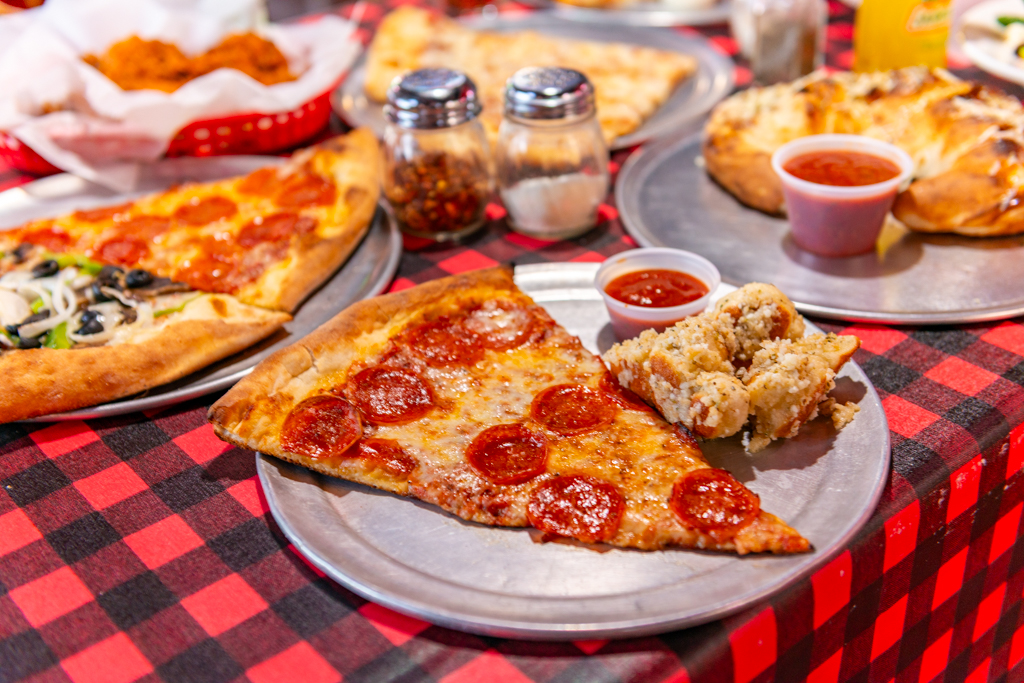
Walk into a good pizza restaurant on a Friday night and you can feel the range of expectations in the room. One table wants comfort, fast and familiar. Another wants a blistered crust with charred edges and a wine pairing that makes the whole meal feel deliberate. A family near the window needs a place where one child will only eat plain cheese, another wants extra olives, and an adult at the table is hoping for something lighter than a heavy, overloaded pie. The best restaurants do not fight that variety. They build for it.
That is what makes the category so resilient. Pizza is flexible in a way few foods are. It can be indulgent, restrained, nostalgic, adventurous, affordable, or celebratory, sometimes all in the same meal. But satisfying every craving is not simply a matter of offering more toppings. Any operator who has spent time on a line, managed a dining room, or watched ticket times balloon during the dinner rush knows that variety without discipline turns into a muddled menu and uneven service. A pizza restaurant succeeds when it understands cravings clearly enough to meet them without losing its identity.
The restaurants that pull this off usually get several things right at once: they understand the emotional side of dining, they design a menu with purpose, they respect dietary needs without making them feel like afterthoughts, and they make the experience easy for both first-time guests and regulars. Good pizza helps. Thoughtful execution is what turns that pizza into a place people rely on.
Cravings are emotional before they are culinary
People talk about pizza as if it is one thing, but cravings reveal that it is many things. Sometimes diners want richness, the kind that comes from stretchy mozzarella, pepperoni cups filled with spicy oil, and a crust brushed with garlic. Sometimes they want contrast, like bitter greens over a white pie, lemon on roasted vegetables, or hot honey over salty cured meat. Sometimes what they really want is certainty. A plain slice done properly can be more satisfying than a complicated seasonal special that tries too hard.
A smart pizza restaurant pays attention to those emotional cues. That starts with menu language. If every pie is described in the same generic https://messiahdztg383.inkharbory.com/posts/what-sets-a-premium-pizza-restaurant-apart-from-the-rest way, guests have to do too much interpretive work. If the descriptions are concrete, people can match the food to the mood they are in. “Crushed tomato, whole milk mozzarella, basil” tells a customer one story. “Roasted mushrooms, taleggio, thyme, black pepper” tells another. The distinction matters because cravings are often less about ingredients than about how those ingredients are likely to feel on the palate.
Atmosphere matters too. Bright lights, high stools, and a fast-moving counter service model can support a quick lunch craving perfectly. The same room may underserve a couple looking for a slower dinner. Many pizza restaurants try to solve this by becoming all things to all people in decor and service style, and the result can feel oddly neutral. The stronger approach is to know what kind of experience the restaurant leads with, then create enough flexibility around it to welcome different occasions. A polished neighborhood pizzeria can still offer speedy takeout. A casual slice shop can still plate salads well and pour a decent glass of wine.
The menu has to stretch without snapping
There is a temptation in this business to chase breadth. Owners see one customer ask for gluten-free dough, another for vegan cheese, another for spicy ranch, another for clams, and before long the menu has become an inventory puzzle. More choice does not always create more satisfaction. Often it creates slower prep, higher food cost, more mistakes, and less confidence from the kitchen. The restaurants that truly satisfy every craving do not just add. They edit.
A useful menu has anchors. There should be a small set of pies that define the house, each one built to satisfy a different kind of appetite. One pie covers the classic comfort lane. One leans fresh and bright. One goes rich and savory. One appeals to guests who want vegetables to be the point, not a compromise. Once those bases are covered, specials can do the work of excitement without destabilizing the operation.
That balance shows up in the way toppings are selected. The best topping programs are modular. Roasted peppers might appear on a vegetarian pie, in a sandwich, and beside burrata as a starter. Fennel sausage might top a signature pizza and also work in a baked pasta. Shared ingredients keep the menu versatile while controlling waste. This sounds operational, but guests feel the difference. A restaurant with a disciplined pantry usually tastes more coherent because each component earns its place.
There is also an important trade-off between customization and craftsmanship. Guests like the freedom to build their own pie, but complete personalization can overwhelm the line during peak periods and lead to combinations that underperform. Some toppings release water, some burn before the crust finishes, some throw off the salt balance. Experienced pizza makers know that two extra toppings can be the difference between a crisp slice and a soggy center. The better solution is guided flexibility. Let guests modify, but within a structure that protects the final product.
Dough does more work than most diners realize
If there is one element that determines whether a pizza restaurant can satisfy a wide range of cravings, it is dough. Not because every guest talks about hydration percentages or fermentation schedules, but because the dough is the platform that supports everything else. A restaurant with a strong dough program can create very different eating experiences without changing its identity.
A long-fermented dough tends to develop more flavor and better digestibility for many guests, though not everyone will describe it in those terms. They will just say the pizza tastes deeper, or that they do not feel as weighed down afterward. Thickness and style matter too. A thin, crisp crust satisfies the diner who wants delicacy and crunch. A chewy, airy rim speaks to the person who wants drama and texture. A square pan pizza with caramelized edges answers a different craving entirely, one rooted in abundance and structure.
Some restaurants try to cover multiple styles under one roof, and sometimes that works. More often, one style is excellent and the others are merely acceptable. Quality is usually better when the kitchen knows what its oven, dough, and staff can execute consistently. A wood-fired oven can produce beautiful blistering and aroma, but it also demands constant attention and can be less forgiving with heavily topped pies. Deck ovens offer control and repeatability, especially during high volume service. Conveyor ovens, often dismissed by diners who romanticize fire, can still produce reliable pizza when the recipe is built for that system. The point is not the oven itself. The point is alignment between equipment, dough, and menu promise.
When a pizza restaurant gets that alignment right, cravings become easier to satisfy because the base product is already strong. A customer may come in wanting something decadent one week and something restrained the next. If both pizzas are built on dough with character, neither feels like an afterthought.
Great pizza restaurants do not treat non-pizza items as filler
One of the easiest ways to satisfy more cravings is also one of the most commonly mishandled: the supporting menu. Salads, appetizers, desserts, and beverages are often treated as obligatory add-ons in a pizza restaurant. They should not be. They are part of how the restaurant broadens its appeal without overcomplicating the pizza station.
A sharp, well-dressed salad can be the deciding factor for the diner who wants balance at the table. It can also make a rich meal feel complete rather than excessive. The same is true for starters. Warm olives, meatballs, roasted vegetables, or a thoughtful soup can bring in guests who are not ready to commit to a whole pie right away. For families and groups, these dishes help bridge different appetites and timing needs. One person is hungry immediately, another is still deciding, a child needs something plain and quick. Supporting dishes smooth out those differences.
Dessert matters more than many operators think. Pizza has a way of creating “just one more thing” energy, especially in social settings. A compact dessert menu, maybe a gelato, a tiramisu, and one baked option, can turn a casual meal into a complete night out. It also captures a different craving cycle. Salty and savory often invite a sweet finish, and if the restaurant does not provide it, many guests simply leave earlier or spend that money elsewhere.
Beverages complete the picture. A pizza restaurant that stocks only generic soft drinks misses an opportunity. Beer, wine, sparkling water, and a few thoughtful nonalcoholic choices widen the restaurant’s reach significantly. The guest having a quick slice at lunch needs something different from the table sharing three pies on a Saturday evening. Even small details, like offering a bitter soda, a local lager, or a crisp low-intervention white, can make the menu feel more responsive to varied tastes.
Dietary needs are not a niche problem
A restaurant cannot claim to satisfy every craving if a significant portion of guests are forced into a separate, lesser experience. Dietary accommodations are part of the core business now, not a side note in small type at the bottom of the menu. That includes vegetarian, vegan, and gluten-sensitive diners, along with guests avoiding certain ingredients for health, religious, or personal reasons.
The challenge is that accommodations can become performative. A gluten-free crust that tastes like cardboard or a vegan pie built around bland substitute cheese does not really satisfy anyone. It merely checks a box. Better restaurants approach these needs with the same seriousness they apply to the standard menu. If a dairy-free pie is offered, it should be designed to taste good on its own terms, not as a reduced version of the main product. That may mean emphasizing tomato quality, marinated vegetables, chili, herbs, nuts, or olive oil rather than relying solely on imitation cheese to do all the work.
Cross-contact is another area where judgment matters. Some guests prefer a gluten-free option but are comfortable with a shared kitchen. Others have celiac disease and need more certainty than a typical pizza line can safely provide. Honest communication is better than vague reassurance. Staff should know what the kitchen can and cannot promise. Clarity builds trust. Evasion destroys it quickly.
The same principle applies to spice levels, pork-free options, and child-friendly choices. The point is not endless customization. The point is building a menu that allows more people to participate in the experience without feeling singled out or shortchanged.
Families, date nights, solo diners, and teams all want different things
One reason the pizza restaurant remains such a durable format is that it serves multiple social roles. It is one of the few places where a family with young children, a pair of coworkers, a group of teenagers, and a couple on a date can all plausibly feel welcome, sometimes in the same service period. Satisfying every craving includes understanding those use cases and making practical decisions around them.
Families often value predictability, speed, and portions they can share. They also notice the basics: whether high chairs are available, whether a kid’s pizza comes out before the entrées, whether staff react well to requests for a simple half-and-half pie. A restaurant does not need cartoon mascots or a huge children’s menu to succeed with families. It needs competence and a little generosity.
Date-night diners usually care about pacing, lighting, sound, and the feeling that the meal has some sense of occasion. This is where details outside the pizza itself matter. Real napkins, comfortable seating, a short but confident wine list, and a staff member who can suggest a pie pairing without sounding rehearsed all contribute. A pizza restaurant does not become more sophisticated by being expensive. It becomes more sophisticated by being intentional.
Solo diners are often overlooked, yet they can become some of the most loyal regulars. They appreciate counter seating, a good by-the-slice program, efficient lunch service, and food that travels well if they are taking it back to work or home. The same goes for teams and larger groups, who need shareable formats, easy ordering, and room to adapt without chaos.
Here is where thoughtful flexibility pays off most:
- Offer both whole pies and at least a few formats suitable for one person, whether slices, half pies where feasible, or smaller starters.
- Make it easy to split flavors on larger pizzas without penalizing the kitchen or the guest.
- Keep one or two dishes on the menu that feel lighter, especially at lunch.
- Train staff to read the table, because a rushed group of parents needs different pacing than friends settling in for two rounds of drinks.
None of these choices is dramatic. Together, they widen the restaurant’s usefulness, and usefulness is often what turns a place into a local favorite.
Convenience is now part of flavor
A great pie that arrives late, cold, or confused is not a great experience. Modern cravings are tied to convenience more closely than many traditional operators like to admit. Dine-in matters, but so do takeout, delivery, online ordering, pickup flow, and packaging. These are not side systems. They shape how guests judge the restaurant.
Pizza is both well suited and poorly suited to off-premise dining. It travels better than many foods, but it also deteriorates fast if packed incorrectly. Steam trapped in the box softens crust. Delicate greens wilt. Sauces separate. Fried starters lose texture within minutes. Restaurants that satisfy every craving understand which menu items hold up, which need modification, and which simply should not be offered for delivery.
Packaging deserves more respect than it gets. Ventilation, pie supports, compartmentalization for dips, and clear labeling all affect satisfaction. So does order architecture. If a family meal deal saves money but makes no sense in terms of actual appetite, guests notice. If the online system allows impossible combinations that slow production, everyone pays for it.
A pizza restaurant should think of convenience in practical, guest-centered terms:
| guest need | what helps | |---|---| | fast weekday dinner | streamlined online ordering, accurate pickup times, family bundles | | office lunch | easy large-order handling, clear labeling, reliable slicing and portions | | late-night craving | a focused menu, consistent hold times, sturdy packaging | | dietary confidence | ingredient notes, modification clarity, honest allergy communication |
That kind of design is not glamorous, but it wins repeat business. People return to restaurants that respect their time as much as their appetite.
Seasonality keeps the menu alive, but restraint keeps it credible
There is real value in rotating ingredients and specials. Seasonal produce creates freshness, gives regulars a reason to come back, and lets a pizza restaurant show creativity beyond standard combinations. Sweet corn in late summer, squash in autumn, spring peas, winter chicories, ripe tomatoes when they are actually worth using, these can all expand the emotional range of the menu.
Still, seasonality can become gimmickry if every special is built for novelty alone. Not every ingredient belongs on pizza. Some produce tastes better elsewhere on the menu. Water content, sweetness, bitterness, and cooking time all matter. The strongest seasonal pies are usually simple. They take one idea and build around it carefully rather than piling on contrast for the sake of sounding interesting.
There is also a financial angle. Specialty ingredients can push food cost up quickly, especially if they are added to a menu without a plan for cross-utilization. Guests may love the idea of fresh figs, imported cheeses, or truffle products, but they do not always love the resulting price point. Good operators know when a premium topping genuinely adds value and when it mostly adds margin pressure.
Cravings change with weather and routine as well. January diners often want restraint. October diners lean toward warmth and richness. Summer lunch crowds may want salads and white pies with acidity. Winter dinner crowds often want red sauce, meat, and deeper flavors. Restaurants that notice those patterns can adapt in subtle ways without losing their core menu.
Service is where the promise gets tested
The simplest way to tell whether a pizza restaurant can satisfy every craving is to watch the service team during a busy hour. The host manages waits without making walk-ins feel unwelcome. Servers know which pies are heavier, which can be made dairy-free, which salads are substantial enough to split, and how long the kitchen is really running. The expediter catches mistakes before they hit the table. Someone notices when a child’s slice needs to come out early or when a solo diner would rather pay quickly than linger.
This is not just hospitality in the abstract. It is operational literacy. Staff who understand the menu at a practical level can guide guests toward satisfaction instead of just taking orders. They can say, with confidence, that adding three wet toppings to a thin pie is likely to soften the center. They can suggest a white pie for someone who finds red sauce too acidic. They can steer a large group toward combinations that work well for sharing. Those small interventions protect the guest experience and the kitchen’s standards at the same time.
Training matters here, but so does culture. If front-of-house staff are treated as order couriers rather than informed guides, the restaurant loses one of its best tools. In many successful pizza restaurants, the service team acts almost like a translator between guest cravings and kitchen realities. That role is hard to automate and hard to fake.
The best pizza restaurants satisfy cravings by knowing what they are not
There is a quiet discipline behind every restaurant that seems to please everyone. It is not trying to do literally everything. It is choosing its lane carefully, then building enough range inside that lane to make many kinds of guests feel understood.
A neighborhood pizza restaurant might never become a destination for ultra-experimental topping combinations, and that is fine. If it serves a beautiful margherita, a craveable pepperoni pie, a strong vegetarian option, a crisp salad, and a dessert worth ordering, it may satisfy more people more consistently than a larger concept with twice the menu and half the clarity. Likewise, an artisanal wood-fired spot does not need to mimic a classic New York slice shop to succeed. It needs to serve its own version with conviction and provide enough supporting options that a group with mixed preferences can still agree to meet there.
That is the real standard. Can the restaurant be the answer to a spontaneous lunch, a family dinner, a comfort-food night, a date, a takeout emergency, a vegetarian’s request, and a regular’s standing Friday order, without feeling scattered? When it can, it has done something difficult and valuable.
The beauty of pizza is that it starts with broad appeal. The craft lies in turning that appeal into trust. Guests come in craving different things, sometimes hunger, sometimes nostalgia, sometimes ease, sometimes surprise. A well-run pizza restaurant recognizes those signals and responds with food that is generous, thoughtful, and consistent. That is how it satisfies every craving, not by promising everything, but by delivering exactly what people hoped the experience would be.
RUFFRANO'S HELL'S KITCHEN PIZZA Security
385 Main St, Colorado Springs, CO 80911
(719) 390-4355
FAQ About pizza restaurant
Is there a Hell's Kitchen pizza restaurant in Security-Widefield?
Yes. Ruffrano's Hell's Kitchen Pizza has a Security-Widefield location at 385 Main St.
Where can I find pizza delivery in Security-Widefield?
Ruffrano's Security location offers online ordering. Enter your address at checkout to check delivery availability and fees.
Where can I find gluten-free pizza in Security-Widefield?
Ruffrano's menu lists a 12-inch gluten-free option. Call the Security location to confirm availability and ask about shared equipment if cross-contact is a concern.