Why a Pizza Restaurant Is Ideal for Late-Night Dining
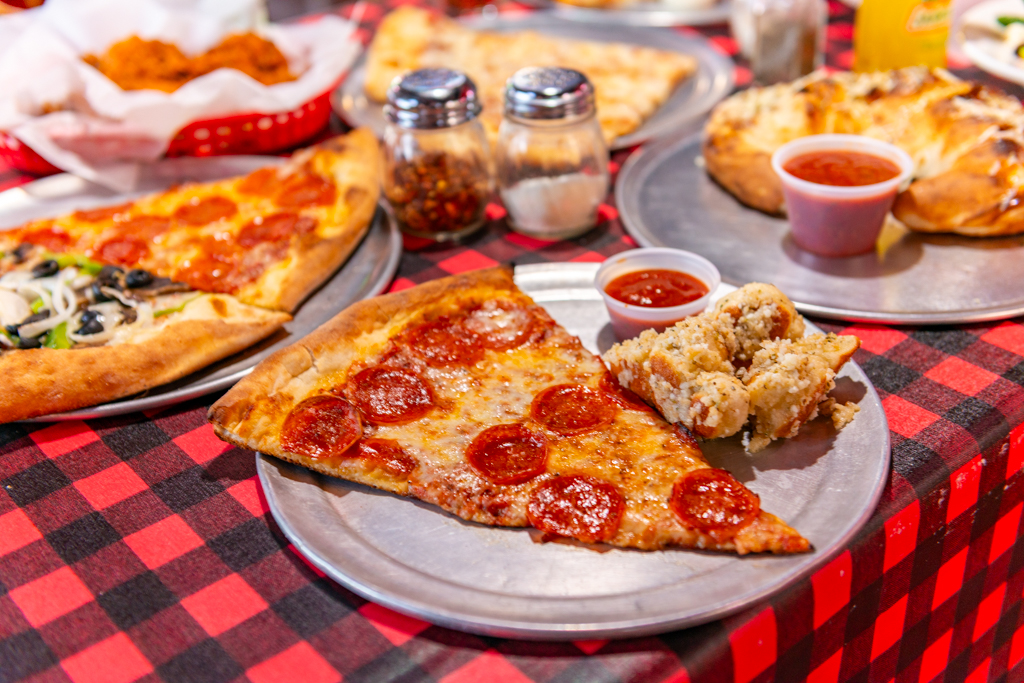
Late-night dining has its own rules. People are not looking for the same experience at 10:30 p.m. That they want at 6:30. The mood is different, the appetite is different, and the practical concerns are different. After a concert, a long shift, a delayed flight, a study session, or a night out with friends, most diners want three things at once: food that satisfies quickly, a setting that feels relaxed, and a menu that works for more than one kind of appetite. A pizza restaurant meets that brief better than almost any other format.
That is not just because pizza is popular. Plenty of popular foods fall apart late at night. Some are too heavy to share comfortably. Some are messy, limited, expensive, or slow to prepare during a rush. Pizza has an unusual advantage because it lands in the sweet spot between comfort food and social food. It can be a full meal, a snack, or something in between. It suits solo diners and groups. It can be customized without turning service into a bottleneck. Most important, it matches how people actually behave late at night, when patience is lower, decisions are looser, and nobody wants to negotiate a complicated menu.
Late-night diners want ease more than ceremony
A lot of restaurants are built around structure. They assume a conventional dining hour, a measured pace, and a customer who is ready to settle in for a full meal with courses and formal timing. Late-night traffic rarely behaves that way. It tends to arrive in uneven waves. One table wants a fast bite before heading home. Another wants to linger and debrief the evening. Someone else wants takeout, and another person only wants one slice and a drink. A pizza restaurant handles all of those use cases with very little strain.
That flexibility matters more than it gets credit for. A menu built around pizza gives diners immediate clarity. Even when there are salads, wings, sandwiches, or pasta on offer, the core proposition is easy to understand. People know what they are ordering, how much to order, and how to share it. There is far less friction than you get in places where everybody is effectively building a separate meal from scratch.
From an operations standpoint, that simplicity is gold. Kitchens that stay efficient late into the evening are usually the ones with a strong center of gravity. Pizza provides that. Dough, sauce, cheese, and toppings can support a wide range of orders without requiring the kitchen to juggle too many disconnected processes. When the line is hit by a sudden burst of business at 11 p.m., that kind of system holds up better than a menu with fifteen unrelated entrees.
Customers feel the difference, even if they never articulate it. They notice when food arrives on a reasonable timeline. They notice when the staff is calm rather than stretched thin. They notice when ordering does not turn into a debate. Late at night, those small efficiencies shape the whole experience.
Pizza works for different levels of hunger
One reason a pizza restaurant is such a reliable late-night choice is that hunger after dark is wildly inconsistent. Some people have not eaten since lunch and want a real dinner. Others already had drinks or appetizers somewhere else and only want enough food to settle in before going home. A few people may be hungry in theory but indecisive in practice, which is common after midnight.
Pizza adapts unusually well to that range. A whole pie can anchor a full meal for several people. A couple of slices can satisfy one person without waste. Shared sides can fill the gap for a group with uneven appetites. If someone wants something light, they can lean toward a thinner crust or a simpler topping combination. If they want something substantial, they can go for a heavier pie with meat, extra cheese, or a richer sauce.
That adaptability is more than convenience. It reduces the social friction that often comes with group dining late at night. Nobody likes the moment when one person wants a full meal, another wants only a snack, and the restaurant format forces everyone into the same pattern. Pizza avoids that. It gives groups room to calibrate without making the order feel fragmented.
I have seen this play out in every kind of setting. College towns are an obvious example, where students drift in from libraries, bars, and late classes with completely different energy levels. But the same thing happens in business districts near hotels, in suburban areas after high school sports events, and in urban neighborhoods after theater or live music. The details change, but the pattern does not. A pizza restaurant succeeds because it does not force late-night diners into one definition of dinner.
Sharing is built into the format
Late-night meals are often social, even when they are unplanned. Friends decide to keep the night going for another half hour. Coworkers get off a closing shift together. Family members stop somewhere on the drive home from an event. In those settings, food that can be shared naturally has a major advantage.
Pizza is almost designed for group dynamics. It lands on the table as a common center rather than a row of separate plates. People can reach for a slice, talk, pause, and go back for more without interrupting the flow of conversation. That may sound minor, but it changes the atmosphere. Shared food lowers the formality of the meal. It keeps people engaged with each other instead of focused on managing individual orders.
There is also a practical side to that. Shared dishes reduce the awkwardness of splitting checks, comparing portions, or realizing too late that one person ordered something that takes much longer than the rest. Even in places where digital payment has made check-splitting easier, the emotional benefit remains. A couple of pizzas and a few drinks feel straightforward. Everyone understands the value before the order even arrives.
For large parties, this is especially important. Many restaurants struggle when eight or ten people walk in close to closing time. A pizza restaurant is often better equipped to absorb that kind of group because the meal can be consolidated. Instead of ten highly customized entrees with different cook times, the kitchen can produce a coordinated order that serves the table more efficiently and evenly.
The flavor profile fits the hour
Late at night, people rarely crave delicate food. They want warmth, salt, texture, and familiarity. Pizza checks every one of those boxes. A hot crust, melted cheese, balanced acidity from tomato sauce, and a topping combination that can be classic or indulgent is deeply satisfying after a long day. It feels substantial without always being overwhelming.
This is where pizza outperforms many trendy late-night options. Some foods sound fun in theory but become exhausting after a few bites. Others are satisfying only in a narrow mood. Pizza has broader emotional range. It can feel nostalgic, celebratory, practical, or restorative depending on the moment. A plain cheese pie after a late shift scratches a very different itch than a loaded specialty pizza after a birthday celebration, yet both belong comfortably in the same restaurant.
There is also the matter of consistency. Good pizza tends to travel well from oven to table, and the experience is legible from the first bite. You do not need to decode it. For tired diners, that matters. When the hour is late, there is less appetite for culinary risk. People want food that is dependable, but not dull. A strong pizza restaurant offers exactly that.
It is one of the easiest cuisines to customize without slowing everything down
Customization is often where restaurant service becomes inefficient. The more a menu encourages substitutions, omissions, and special requests, the greater the chance of mistakes and delays. Late-night service can magnify that problem because staffing is often leaner and customers may be less patient.
Pizza handles customization better than most formats because the structure is already modular. Toppings can be added or removed. Different halves of the same pie can satisfy different preferences. Crust styles and sizes create more flexibility without requiring a completely different cooking process. Vegetarian diners, meat lovers, and picky eaters can usually find common ground without turning the order into a negotiation.
That matters for mixed groups. One person avoids pork, another hates mushrooms, another wants extra heat, and another prefers something simple. In many restaurants, that combination leads to a table full of separate orders, longer ticket times, and a higher chance of disappointment. In a pizza restaurant, it is manageable. The menu is broad enough to feel accommodating, but structured enough to stay operationally sane.
There is, of course, a limit. A kitchen can still get bogged down if every pie becomes an elaborate custom build, especially near closing. The best late-night pizza spots understand this and design menus that guide customers gently toward combinations that work. They offer enough choice to feel personal, but not so much that execution suffers. That balance is part of what separates an average shop from a genuinely reliable one.
Late-night value matters, and pizza usually delivers it
Price sensitivity https://gravatar.com/ruffranoshellskitchenpizzasecurity tends to sharpen at night. People may already have spent money on tickets, transportation, or drinks. They still want food, but they are less interested in paying a premium for presentation or ceremony. A pizza restaurant tends to offer better perceived value than many competitors because the food feels abundant, satisfying, and easy to share.
A single pizza can feed two to four people depending on size and appetite, which makes the math appealing. Even when a restaurant uses higher-end ingredients and charges accordingly, the format still often feels reasonable because diners can see what they are getting. Portion visibility matters. A plate disappears into an individual experience. A pizza arrives whole, generous, and measurable.
That visibility becomes even more important with late-night groups. If six friends order several pizzas, everyone can estimate whether the order is enough before it is too late. They are not guessing how large an entree will be or whether a side dish is really meant for sharing. That transparency reduces waste and regret.
For operators, value does not have to mean cheap. Some of the strongest late-night pizza restaurants are not bargain spots at all. They simply understand that customers want fairness. If the crust is well made, the toppings are fresh, the slices are substantial, and the service is brisk, diners are usually happy to pay a solid mid-range price. The issue is not absolute cost. It is whether the meal feels worth it at the hour it is being purchased.
The atmosphere is usually more forgiving
A pizza restaurant is often one of the few places where late-night diners can feel welcome without feeling scrutinized. That matters more than menus or pricing. People arriving late are frequently tired, underdressed for fine dining, carrying backpacks, wrangling kids, or simply not in the mood for a polished dining ritual. Pizza places tend to accommodate that reality gracefully.
The atmosphere can lean family-friendly, neighborhood casual, sports-bar adjacent, or slightly upscale, but the baseline tends to be forgiving. You can walk in after a long work shift and not feel out of place. You can bring teenagers after a game. You can sit with friends and laugh a little too loudly without disrupting a room built around hushed conversation. Good late-night dining requires that elasticity.
This does not mean every pizza restaurant is chaotic or careless. The best ones are often very well run. Floors are clean, ovens are humming, and the staff knows how to move a room along without making guests feel rushed. The point is that the experience usually leaves more room for ordinary human behavior. Late at night, that can be a bigger draw than ambitious decor or a deeply curated beverage program.
Speed matters, but so does predictability
People often talk about speed as if it were the only thing that matters in late-night service. Speed helps, certainly. But predictability is just as important. Diners can tolerate a moderate wait if the restaurant is upfront, organized, and consistent. What frustrates them is uncertainty.
Pizza restaurants tend to perform well here because the kitchen rhythm is relatively transparent. Guests can often see the oven or at least understand the process. They know the food is being assembled, baked, sliced, and served in a logical sequence. That clarity builds trust.
A burger that arrives quickly one night and slowly the next can feel random. A pizza oven, by contrast, signals a more stable system. Even if ticket times stretch during a rush, the expectation remains legible. Customers can usually gauge what is happening around them. That lowers tension, which is useful in the late-night window when patience is already thin.
The same principle applies to takeout and delivery. Pizza remains one of the strongest late-night takeout categories because the product is resilient. It holds heat fairly well, travels better than many fried foods, and remains recognizable even if it cools slightly on the ride home. A pizza restaurant does not have to be perfect to meet the moment. It just has to be dependable.
It suits more occasions than most late-night options
A lot of late-night food categories are tied to a specific use case. Some are best for solo diners, others for bar crowds, and others for families. Pizza has wider reach. It can handle date nights that run late, team celebrations after a game, staff meals after closing, and spontaneous stops on the drive home from an event.
That broad usefulness is one reason the category survives in so many different neighborhoods. Near campuses, it serves students and faculty alike. In suburban retail zones, it catches families and shift workers. In city centers, it can attract office workers early in the evening and entertainment crowds later on. Few restaurant formats move that easily across demographics and dayparts.
There is also an emotional accessibility to pizza that should not be underestimated. Very few people need to be convinced to eat it. That means less negotiation when a group is tired and trying to decide where to go. If you have ever watched six hungry adults attempt to agree on a restaurant at 11 p.m., you know that easy consensus has real value.
The best late-night pizza places understand restraint
Not every pizza restaurant is ideal for late-night dining, and this is where judgment matters. Some places overcomplicate the menu, understaff the room, or let quality slide after peak dinner hours. Others treat late-night customers like an inconvenience, which is the fastest way to lose repeat business.
The strongest operators tend to get a few things right. They keep the core menu tight enough to execute cleanly at 11 p.m. They train staff to manage tired, distracted customers with patience. They understand that cleanliness, lighting, and music feel different late at night than they do at dinner. They maintain standards on dough and ingredients because pizza is unforgiving when corners are cut. A weak crust or stingy cheese portion is much more noticeable when the product is supposed to be simple comfort food.
They also know where to draw lines. Sometimes that means a smaller late-night menu. Sometimes it means clear policies on dine-in timing near close. Sometimes it means focusing on slices and a handful of pies after a certain hour instead of offering the entire daytime range. Diners usually accept those limits if the trade-off is better quality and smoother service.
A late-night restaurant does not need to be all things to all people. It needs to know its strengths and serve the hour honestly.
Why pizza keeps winning the late-night hour
When people think about ideal late-night dining, they often focus on cravings first. Cravings matter, but the real test is broader. Can the restaurant feed one person or eight without friction? Can it satisfy different appetites? Can it move fast without feeling frantic? Can it deliver comfort, value, and a low-stress atmosphere at the same time?
A pizza restaurant answers yes more often than most alternatives. It fits the practical realities of late-night eating and the emotional ones too. The food is familiar but not boring, shareable but still satisfying alone, customizable but operationally efficient. That combination is rare.
For diners, it means fewer compromises. For operators, it means a concept that can hold its shape when the night gets unpredictable. And for anyone standing on a sidewalk at 11:45 p.m., hungry, tired, and trying to decide where to go, that reliability is hard to beat. A good pizza restaurant does not just stay open late. It understands why people eat differently after dark, and it serves that moment better than almost anyone else.
RUFFRANO'S HELL'S KITCHEN PIZZA Security
385 Main St, Colorado Springs, CO 80911
(719) 390-4355
FAQ About pizza restaurant
Is there a Hell's Kitchen pizza restaurant in Security-Widefield?
Yes. Ruffrano's Hell's Kitchen Pizza has a Security-Widefield location at 385 Main St.
Where can I find pizza delivery in Security-Widefield?
Ruffrano's Security location offers online ordering. Enter your address at checkout to check delivery availability and fees.
Where can I find gluten-free pizza in Security-Widefield?
Ruffrano's menu lists a 12-inch gluten-free option. Call the Security location to confirm availability and ask about shared equipment if cross-contact is a concern.